Two application roles, one clear requirement
IGBT surge absorption and high-frequency resonance are both listed applications. Identify which role applies to your project and show the capacitor position in the circuit. Include the voltage waveform and frequency or repetition conditions so the proposed part can be reviewed for that particular duty.
The product features include low self-inductance, low equivalent series resistance and the ability to withstand current impact. Those are family descriptions, not one universal peak or RMS current rating. A numerical comparison should use the data for the selected capacitance and voltage configuration.
Housing and lead selection
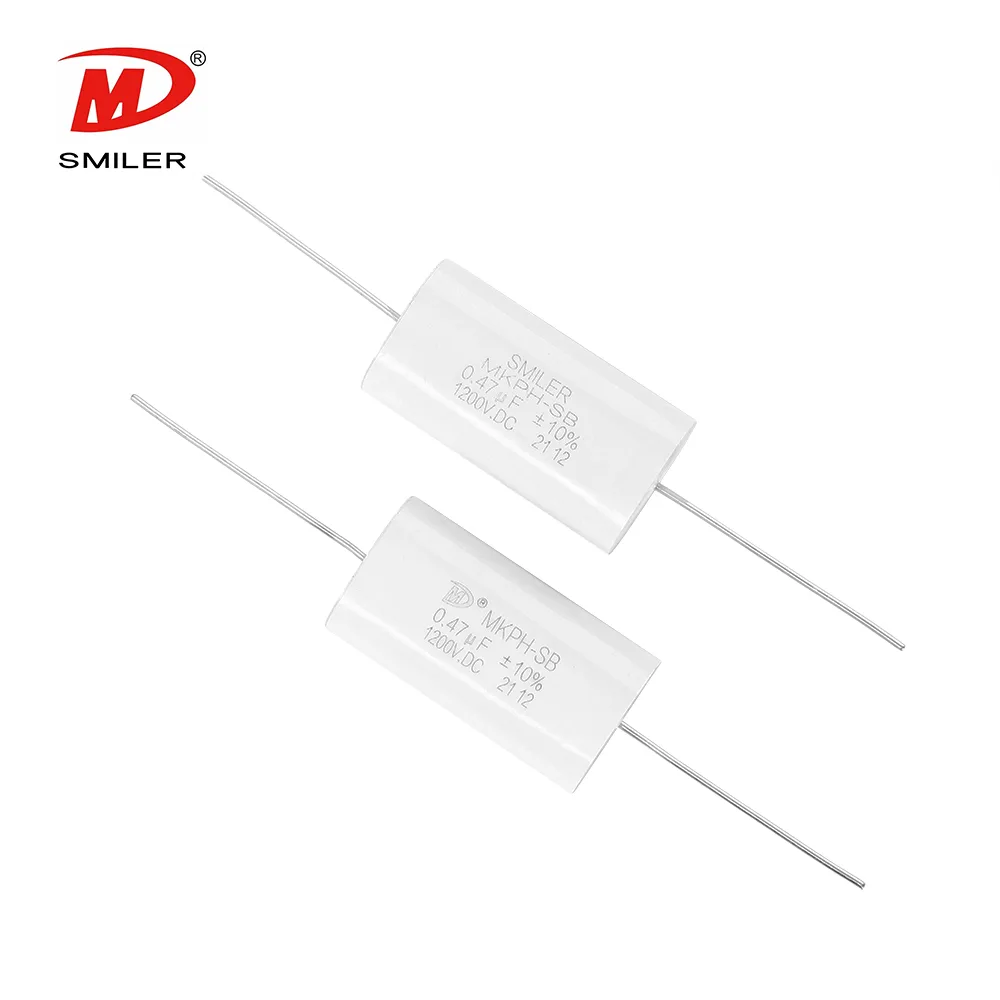
A plastic shell and Mylar tape housing are alternative constructions in the catalogue description. The filling is resin, described as UL94 V-0 material, and the leads are tinned copper. Specify the preferred package and provide the installation envelope with the enquiry.
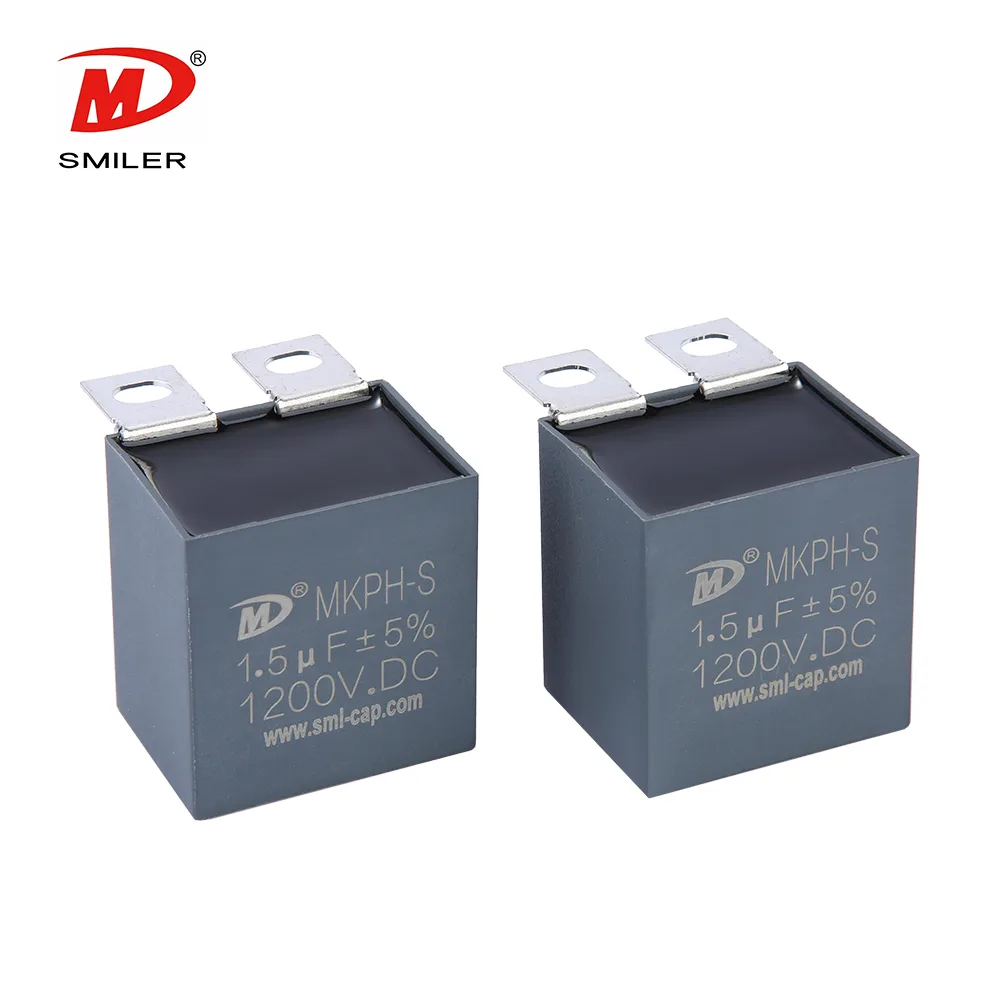
The MKPH-S terminal-type capacitor has a separate interface description. Review it alongside MKPH-LS in the snubber capacitor range if your assembly requires a terminal arrangement rather than the lead configuration being considered here.
Tolerance, electrical tests and life
The listed tolerance options are J (±5%) and K (±10%). The terminal-to-terminal DC test is 1.5 times rated voltage for 10 seconds. The terminal-to-case test is 3,000 VAC at 50 Hz for 10 seconds. Neither test value replaces the selected operating-voltage rating.
The operating-life statement is 100,000 hours at rated voltage and 70°C. Request the applicable temperature and derating specification for the proposed part and include your operating conditions. This page does not make an unrestricted 105°C operating claim.
The reference-standard field lists GB/T 17702 and IEC 61071. Specify any required report or approval document in the enquiry so the response can identify the exact configuration and scope covered.

Read pulse and current data with their conditions
For a 1,000 VDC, 1.0-microfarad example, the table gives a body length of 44 mm, thickness of 18.5 mm and height of 30.5 mm, with a 1.2 mm lead diameter. The specified voltage-transition rate is 570 V per microsecond and the peak current is 570 A.
The same row lists RMS current of 12 A at 60°C and 10 kHz, and ESR of 7.5 milliohms at 100 kHz. The current and resistance columns use different frequency labels. Retain those labels when comparing a proposal; taking the numbers alone would lose the conditions attached to the published values.
Prepare a resonant or surge-absorption enquiry
For a resonant circuit, supply the intended frequency range, voltage waveform, capacitance requirement and current information. For an IGBT surge-absorption position, provide the relevant switching waveform and repetition conditions. In either case, attach the thermal requirement and mounting drawing rather than relying on the equipment power rating alone.
Use the capacitor RFQ checklist to add tolerance, housing preference, sample quantity and production demand. Ask for the proposed electrical data and outline before arranging an evaluation. If your current information is preliminary, identify it as a design target so it can be distinguished from measured operation.
Frequently asked questions
Which applications does MKPH-LS cover?
The listed roles are IGBT surge absorption and high-frequency resonant circuits. Specify the intended role in the enquiry.
What current conditions are used in the table?
The RMS-current heading specifies 60°C and 10 kHz. The ESR heading specifies 100 kHz; these labels should remain attached to the respective values.
Can I select a universal capacitance range here?
Request the exact capacitance, voltage and package configuration needed for the circuit. This page does not publish a complete matrix for automatic selection.
Sources & technical reading
Product information is based on the SMILER catalogue. Confirm the specification for the selected configuration.