Define the replacement or new requirement
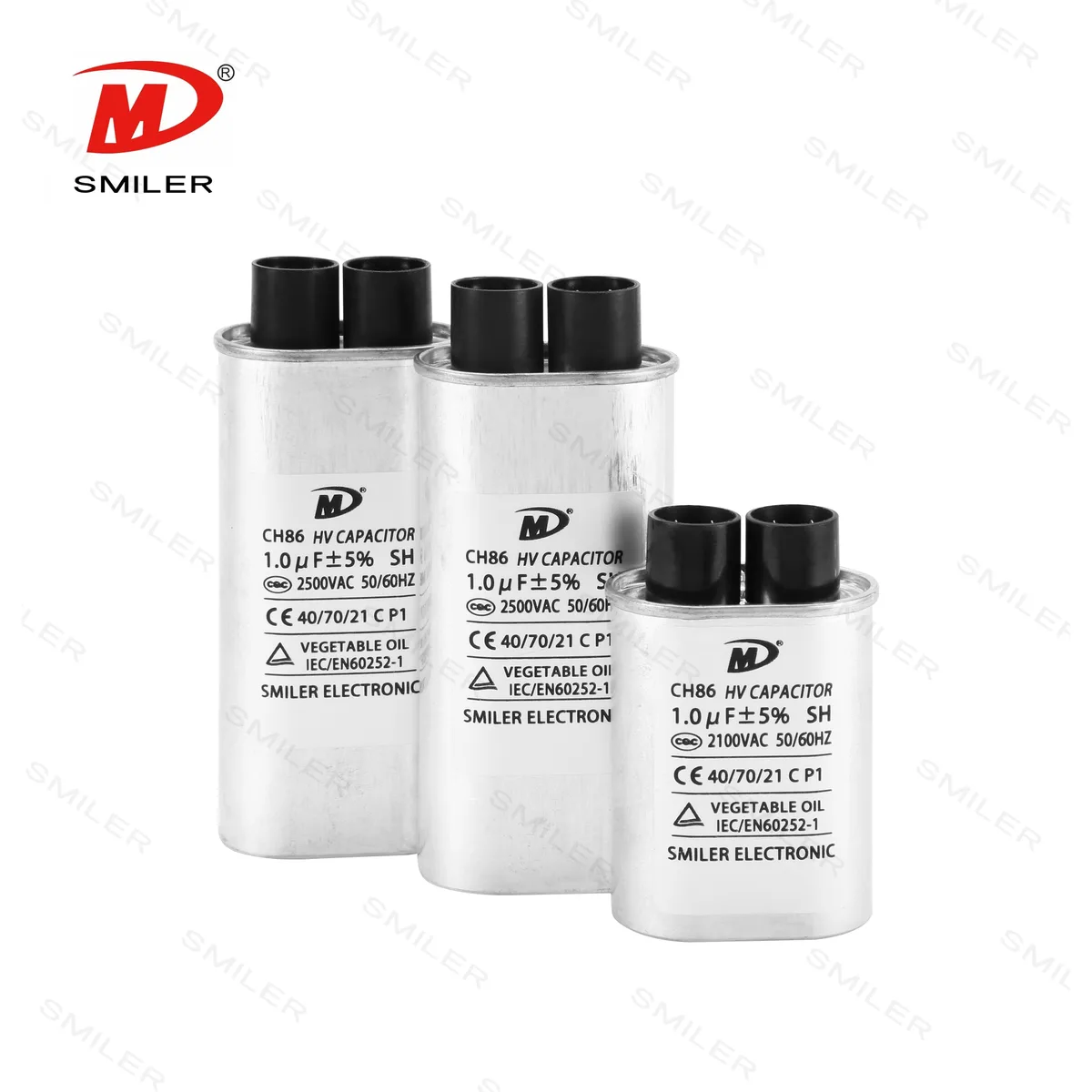
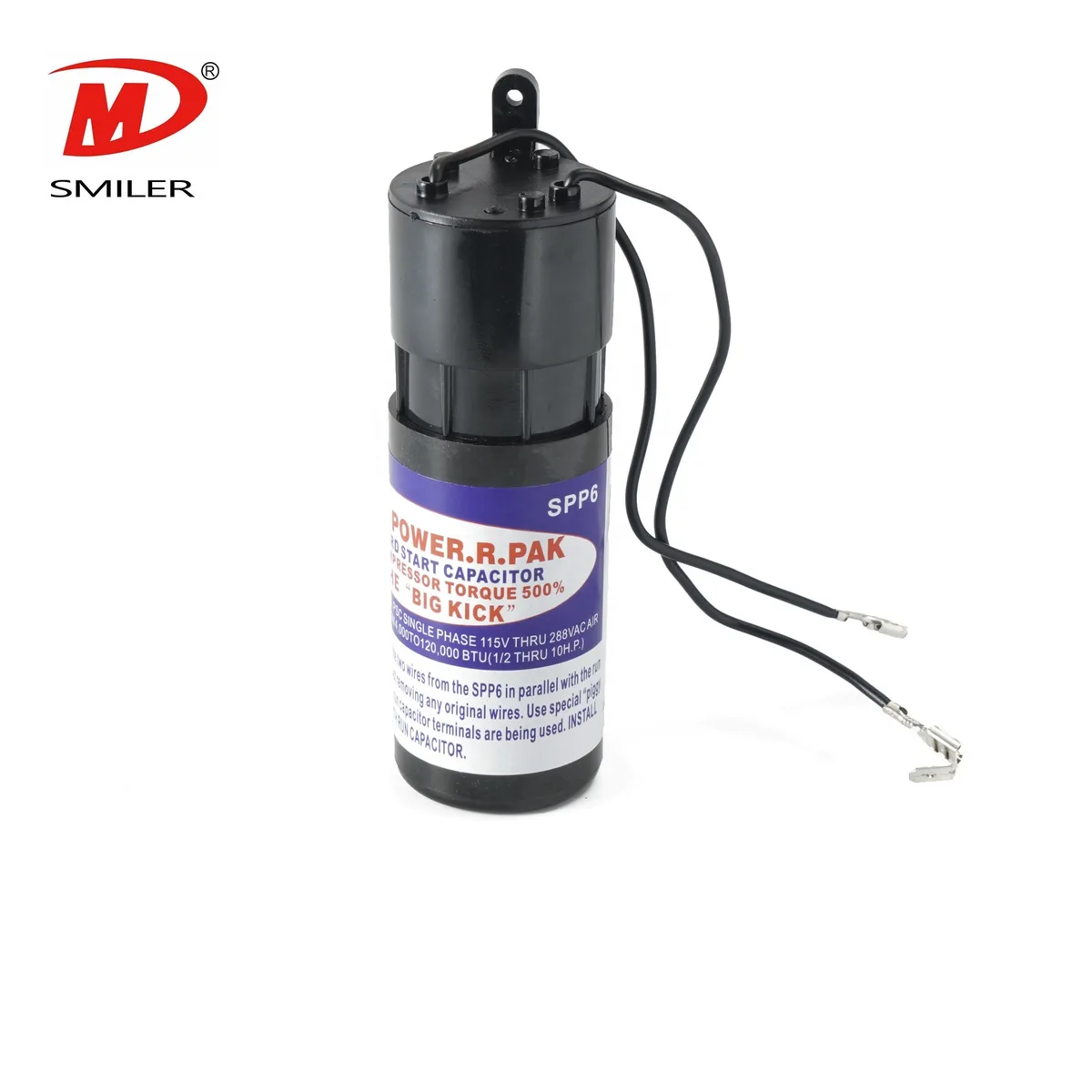
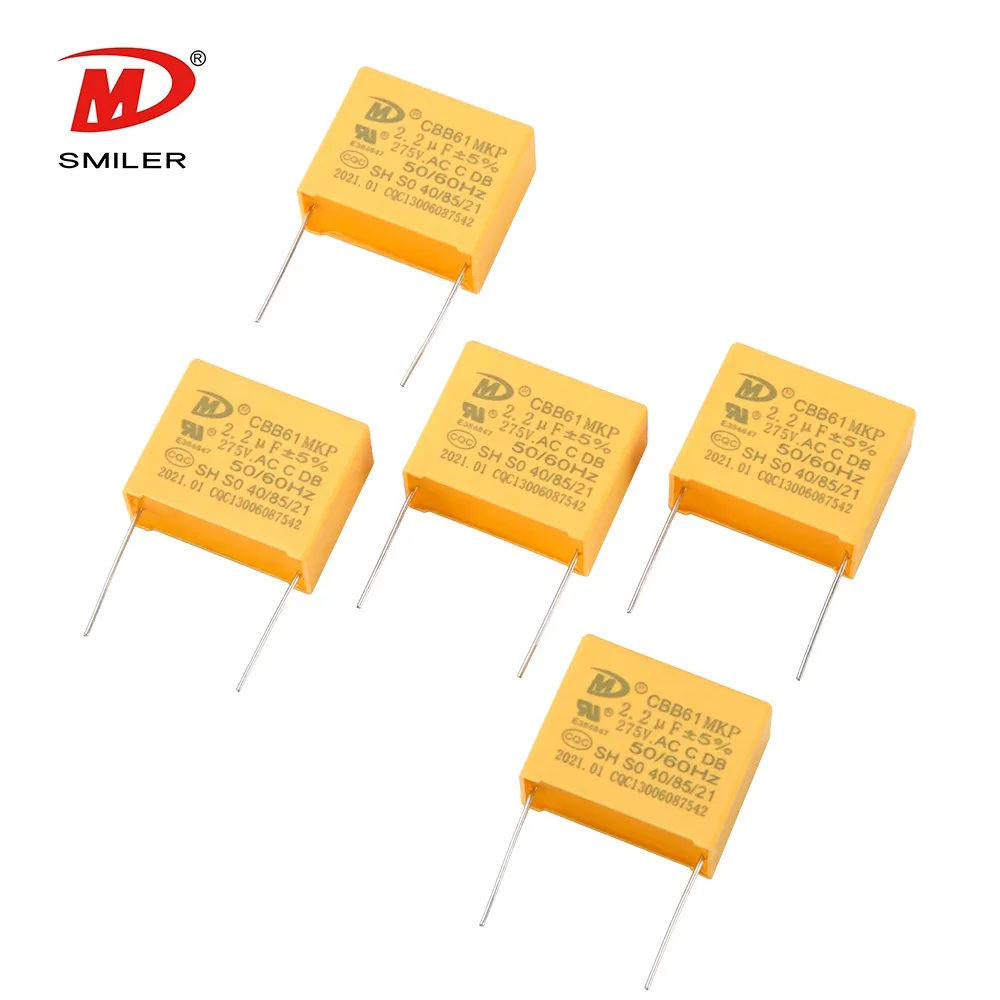
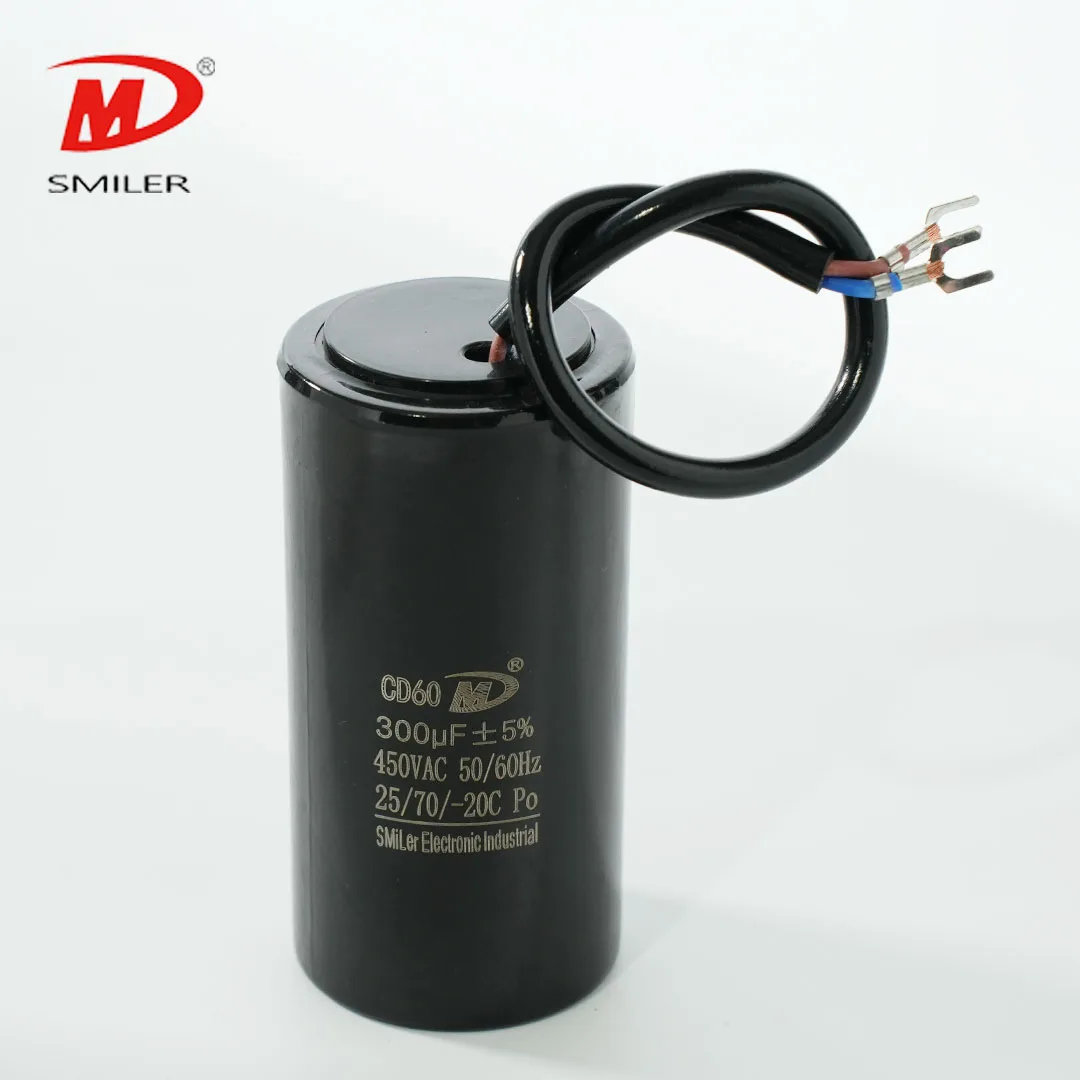
For a replacement enquiry, attach clear photographs of the existing marking, terminals and mounting arrangement. Include the equipment identification and the original component specification if available. For a new design, send the required capacitance, voltage, dimensions and intended starting duty. These are information requests, not preset CD60 ratings.
Understand the motor requirement before choosing a capacitor
A motor capacitor is part of the motor design, not simply an extra store of energy to make any motor start harder. In its discussion of permanent-split-capacitor motors, Oriental Motor explains that the capacitor works with the auxiliary winding to create a phase difference. This is general motor background, not a description of CD60 construction or an assertion that CD60 is suitable for that motor type.
For a CD60 enquiry, identify the starting circuit used by the equipment and its specified capacitor duty. Keep a start-position request separate from a continuously connected motor-capacitor requirement. Have the equipment designer define the required operation; do not substitute a motor-run selection rule for an undocumented CD60 rating.
Read a replacement marking as separate requirements
Make a short transcription of the existing component marking: model, capacitance, tolerance, voltage and any duty or temperature designation. Leave an unreadable field marked as unknown rather than choosing a likely value. Include both the transcription and a photograph so the technical reviewer can distinguish a missing requirement from an ambiguous character.
For motor matching, Oriental Motor’s replacement guidance links incorrect capacitance with torque loss, vibration and overheating. Its recommendation concerns its own motors; it does not qualify a SMILER replacement. The practical point for your enquiry is to preserve the original motor requirement and request a documented comparison, rather than selecting a larger capacitance as an assumed improvement.
Agree what the first sample should establish
Split the evaluation brief into electrical fit and physical fit. For the electrical review, ask your motor engineer to identify the required capacitance, voltage and starting-duty acceptance criteria. For the physical review, provide the mounting envelope and connection drawing. Write down any permitted change, such as a revised bracket, instead of leaving the supplier to guess whether a different shape is acceptable.
If the proposed sample differs from the original component, ask for those differences in a concise comparison beside the quotation. A useful comparison has three entries for each requirement: what the equipment needs, what the proposed part specifies and whether your engineer accepts the difference. This is a recommended evaluation format, not a claim that a particular test program is included in a CD60 order.
For a replacement project with several motor variants, label the photographs and requirements by equipment variant. Ask for separate proposed part references where the electrical or mechanical requirements differ; do not combine them into one CD60 quotation line.
Discuss customization
SMILER offers production according to customer requirements for CD60. Describe which features are fixed and which can be discussed, including the connection and available installation space. Ask for the proposed electrical specification and mechanical drawing before approving a sample.
No fixed capacitance range, voltage range, lifetime or approval package is quoted on this reference page. Those details need to be established for the proposed part.
Send a CD60 enquiry
Use the capacitor RFQ checklist to prepare your request, then contact SMILER with the drawing and quantity. State sample demand separately from the expected production quantity so both can be addressed in the quotation.
Have a drawing or target specification?
Include it in your first message so the conversation starts with your equipment requirements.
Start a technical inquiryFrequently asked questions
Can CD60 be customized?
Yes. Custom production can be discussed against your requirements; send a specification or drawing for review.
Which voltage and capacitance should I order?
Supply the values required by your equipment specification. This page does not define a standard range or recommend a replacement value.
What should accompany a sample request?
Include the electrical requirement, dimensional drawing or photographs, terminal details and sample quantity. Ask for the proposed part specification with the quotation.
Sources & technical reading
- www.smlcapacitor.com — CD60
- blog.orientalmotor.com — what does a capacitor do
- faq.orientalmotor.com — can i use capacitors other than the one that comes with the ac motor
Product information is based on the SMILER catalogue. Confirm the specification for the selected configuration. External technical references explain general principles, not SMILER ratings or approvals.