Start with the equipment requirement
For a SPP6 enquiry, provide the required capacitance, voltage, tolerance and intended circuit position. Attach the equipment specification or existing component data if you have it. If you are replacing a part, photographs of its marking and connection arrangement can accompany the drawing.
Separate a starting request from a run-capacitor request
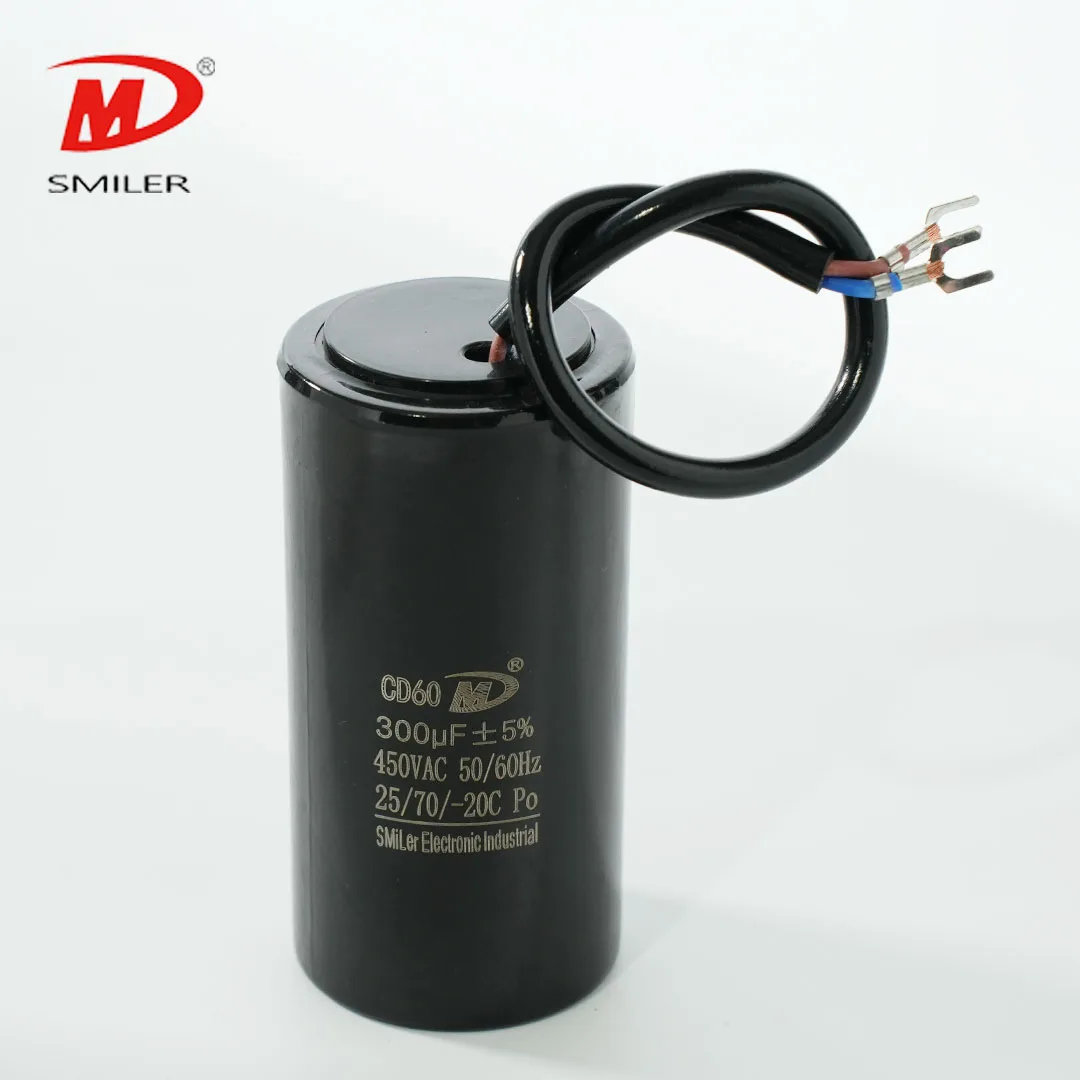
Motor starting and motor running should be named explicitly in the component requirement. TDK’s motor-capacitor catalogue treats start and run products within a category whose selection fields include capacitance, voltage, construction, terminals, life and safety classification. Those fields are useful comparison headings; TDK product ratings are not SPP6 ratings.
For SPP6, ask the equipment designer to identify the intended starting circuit, how the capacitor is used during that operation and which existing specification defines the requirement. Do not infer a complete starting assembly or control arrangement from the family name. Include the circuit reference so the quotation can address the intended component position.
Do not confuse a visible change with a motor improvement
The general relationship between a motor and its capacitor is electrical, not just mechanical. Oriental Motor’s technical explanation shows that capacitor choice affects operation of its permanent-split-capacitor motors. A different capacitance can change torque and heating. This background does not establish the operating principle, duty rating or performance gain of any SPP6 configuration.
If your project is intended to improve starting behavior, describe the problem to the equipment engineer before changing the component requirement. Ask for a defined acceptance target and a proposed evaluation under the equipment’s intended conditions. Avoid requesting an unspecified increase in starting strength: that wording does not identify the required capacitor or an agreed basis for accepting the sample.
Make the proposed part identifiable
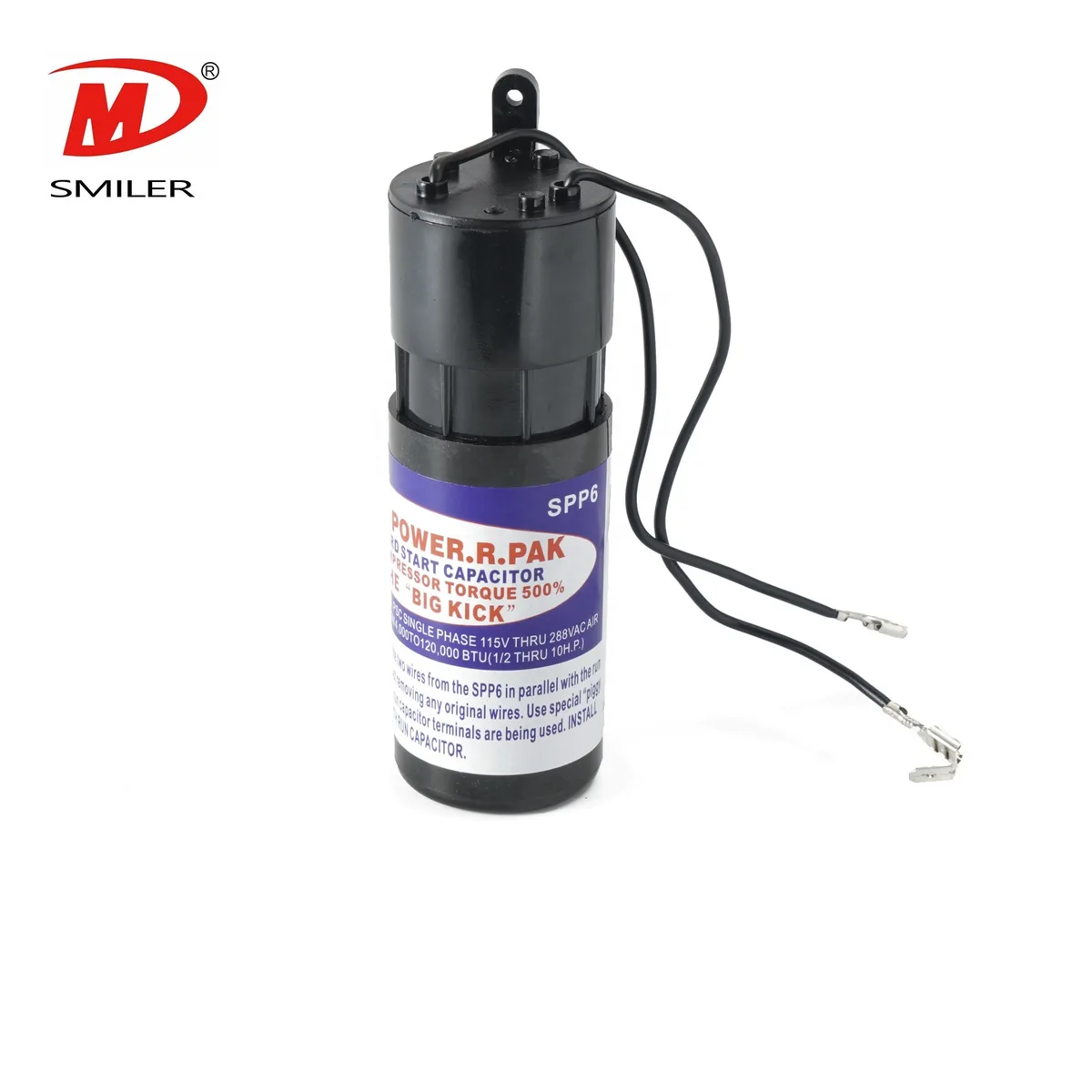
Use the full proposed part reference, drawing revision and electrical specification together when reviewing a sample. On the mechanical drawing, distinguish the body envelope from the connection area and mounting provisions. Identify any fixed mating component, but do not invent a terminal pattern from an unclear catalogue photograph.
For production sourcing, keep the approved requirement separate from optional changes offered in the quotation. Ask for a written description of any change in dimensions, connection arrangement or marking before accepting it. That creates a useful purchasing record without assuming that all products called SPP6 are interchangeable. Sample acceptance should refer to the particular proposal your team reviewed, not to a broad model-family label.
An enquiry for a bare capacitor should also identify whether any external mounting hardware or connection accessories are being requested. List those items separately and ask what is included in the offer. This avoids treating a photograph of an assembly as a packing list or assuming that every illustrated item will accompany the quoted SPP6 part.
Discuss the configuration
Production according to customer requirements can be discussed. Identify the dimensions and connections that must remain fixed, then describe any acceptable alternatives. Request a complete electrical specification and outline drawing for the proposed configuration before approving samples.
Include any required certification document and destination market in the request. Approval scope, operating limits and commercial terms need to be confirmed for that proposal.
Request a quotation
Use the capacitor RFQ checklist to prepare the information, or contact SMILER with your SPP6 requirement. Separate sample quantities from production demand and include your requested delivery destination.
Have a drawing or target specification?
Include it in your first message so the conversation starts with your equipment requirements.
Start a technical inquiryFrequently asked questions
Can SPP6 be customized?
SMILER invites enquiries for production according to customer requirements. Send a specification so the proposed configuration can be discussed.
Are standard ratings listed here?
No fixed voltage, capacitance or dimensional range is provided on this reference page. Request the values and drawing for the part offered.
What is needed for a replacement enquiry?
Send the original specification, readable markings, connection details and mounting dimensions. Ask for a proposed specification rather than ordering by the family name alone.
Sources & technical reading
- www.smlcapacitor.com — SPP6
- www.tdk-electronics.tdk.com — motor run and motor start capacitors
- blog.orientalmotor.com — what does a capacitor do
Product information is based on the SMILER catalogue. Confirm the specification for the selected configuration. External technical references explain general principles, not SMILER ratings or approvals.