A custom DC-link design
The series is offered for wind and solar inverters, electric and hybrid vehicle applications, welders, elevators and motor-drive systems. Its description emphasizes low ESR, low inductance, ripple-current handling and self-healing characteristics. Numerical current and life ratings should be specified for the proposed design.
Define DC-link duty as a set of operating conditions
A DC-link request should include more than a capacitance target. As general selection context, TDK’s DC-link catalogue emphasizes energy density, ripple current, ambient temperature and humidity when describing its own film-capacitor range. These are useful design inputs, not published ratings for MKP-L.
For your custom proposal, describe the voltage and current conditions at the intended capacitor position. Keep the normal operating requirement separate from temporary conditions and identify the temperature basis of the supplied figures. Where the design is still developing, label estimates clearly and say which values are fixed acceptance requirements. This gives the engineering discussion a defined starting point without assuming a catalogue maximum.
Decide which design constraints can change
Separate the electrical target from the installation limits. For example, if an existing cabinet fixes the mounting points, mark those dimensions as fixed and show the remaining space available for the capacitor body and connections. If the mechanical design is still open, identify the preferred arrangement without presenting it as a mandatory interface.
The custom-design description means that voltage and capacitance can be discussed around your requirement; it does not promise that every requested combination is feasible. Ask the proposal to show the offered configuration and any differences from the brief. Review an alternative as a specific engineering choice, rather than accepting it merely because it meets one headline value.
Compare proposals on the same basis
When comparing a custom MKP-L proposal with a catalogue part, use the same operating conditions for both. Place the required capacitance and tolerance beside the voltage requirement, current information and thermal conditions. In a separate column, compare the mounting and connection details. That format helps your team identify an unresolved requirement without hiding it inside an overall description such as high-current or compact.
Ask for the sample identification to match the proposed electrical specification and mechanical drawing. Record any agreed change before evaluating the sample in the equipment. The goal is a component decision tied to a particular design, not a general conclusion about every capacitor in the MKP-L family.
If alternative proposals change the housing or terminal arrangement, keep the respective drawings attached to each option. Ask the design team to compare the complete options before merging their most attractive individual features into a purchasing specification.
Construction and installation
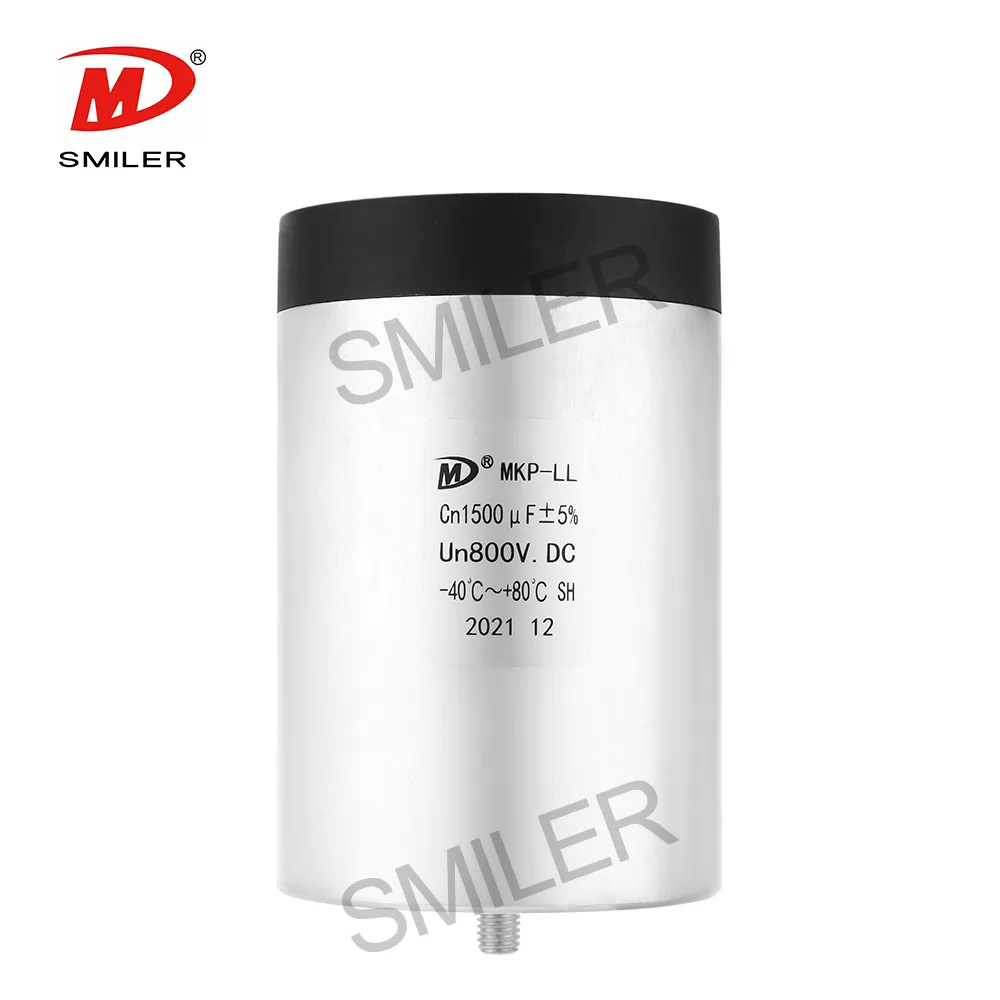
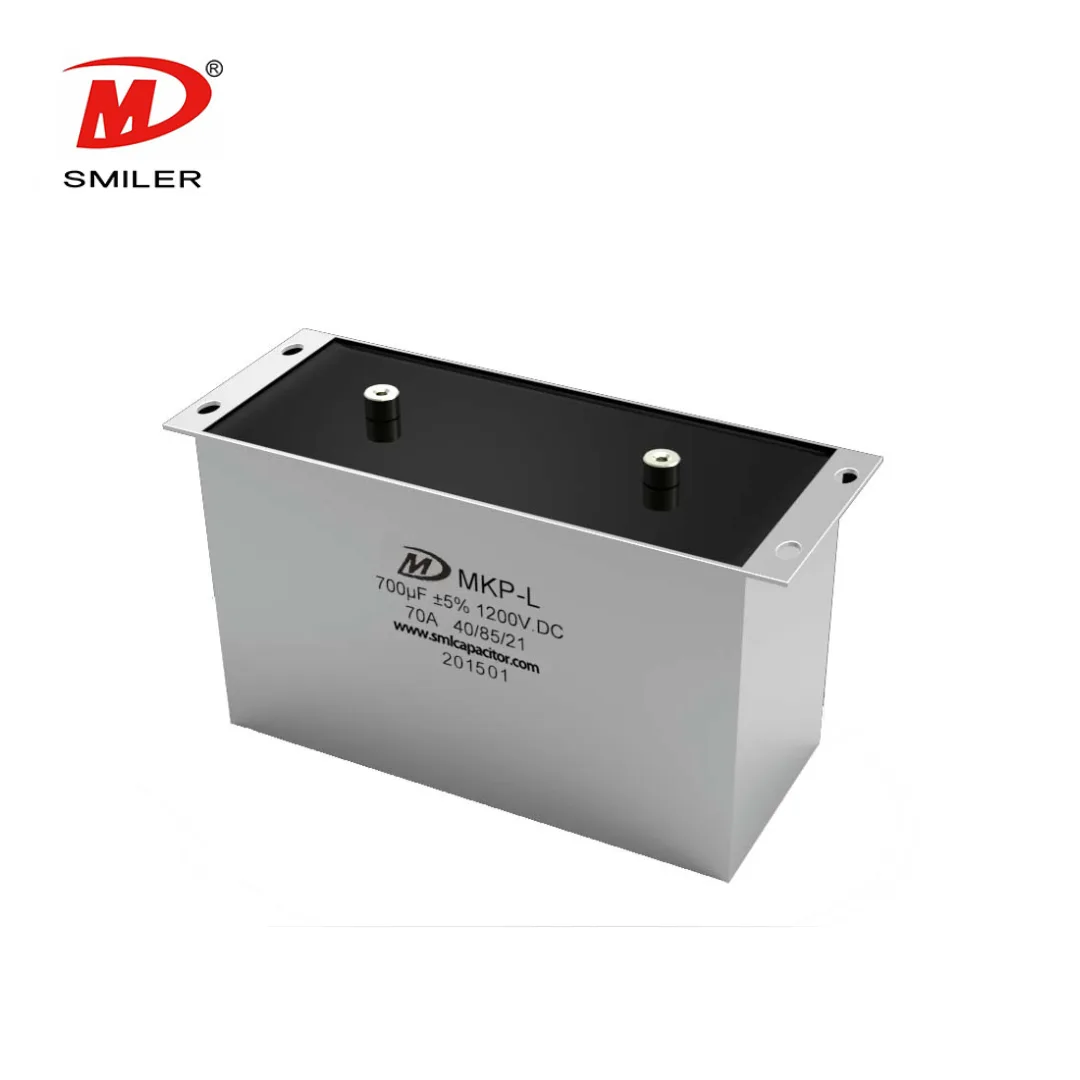
The resin filling is described as UL94 V-0 material. For a metal-housed assembly, include the available body envelope, terminal interface and mounting arrangement in your drawing request. Identify any connection or installation dimensions that cannot change.
Electrical requirements for the proposal
Give the required capacitance and tolerance, DC voltage profile, current duty and temperature conditions. If the project involves replacing another capacitor technology, include the original specification and circuit requirement for comparison. The catalogue describes possible electrolytic-capacitor replacement in DC-link circuits, but the proposed configuration still requires an application review.
Have a drawing or target specification?
Include it in your first message so the conversation starts with your equipment requirements.
Start a technical inquiryDiscuss an MKP-L configuration
Compare the DC-link capacitor range if you are also considering a catalogue series. For MKP-L, use the capacitor RFQ checklist to send your custom requirement, mechanical drawing and quantity. Request the electrical data and drawing together so the proposal identifies one configuration.
Frequently asked questions
Is there a fixed MKP-L voltage range?
The product is described as designed around customer voltage and capacitance requirements. Request a proposal for the specific values your circuit needs.
Which construction is used?
The published construction is metallized polypropylene film, an aluminium or metal shell and resin filling.
Which applications are listed?
Wind and solar inverters, EV or HEV applications, welders, elevators and motor-drive systems are listed. Send the details of your actual circuit when enquiring.
Sources & technical reading
Product information is based on the SMILER catalogue. Confirm the specification for the selected configuration. External technical references explain general principles, not SMILER ratings or approvals.